Villa Renovation Permits Dubai: Costs and Approvals
Most villa renovations in Dubai need approval before work starts, especially if you touch structure, plumbing or electrical wiring. The typical permit layer costs between 2,000 AED and 8,000 AED on top of the building work, and goes through Dubai Municipality, DEWA, DET and your community developer.
Why work with ROUND TRIANGLE DECORATION CO. L.L.C
- Line-by-line villa quotation review
- Clear villa work pricing from 100,000 AED
- General contractor licence in Dubai
- Direct contact via +971 50 786 0555
- Permit-compliant renovation experience
Do you need a permit for villa renovation in Dubai?
Yes, most changes to a villa in Dubai require at least an approval, and structural or utility work always does. A simple repaint or replacing same-size floor tiles may not need a full permit, but removing a wall, adding a bathroom, moving a kitchen drain or changing electrical loads will.
The safest way to think about it is this. If the work changes the building envelope, the MEP systems or the water proofing, plan for approval. Interior decoration like furniture, curtains and free standing wardrobes usually sits outside the permit process.
Dubai Municipality villa renovation approval
Dubai Municipality approval is the central step for most villa renovation projects. The application goes through the Dubai Building Permit system, and it usually covers architectural changes, structural elements and compliance with the Dubai Building Code.
The process in plain order:
- Appoint a Dubai Municipality registered engineer or a licensed contractor with engineering support.
- Prepare the existing and proposed layout drawings.
- Submit the drawings, material data and structural calculations to Dubai Municipality.
- Pay the approval fee for your scope.
- Receive the approval and keep a copy on site before any demolition starts.
A missing Dubai Municipality approval can stop the project at inspection stage and create a fine. The cost for a typical interior fit-out approval is often between 1,500 AED and 4,000 AED, while full structural alterations can push the fee higher.
DEWA and DET sign-off for villa renovation
DEWA approval is needed when you change water points, add a bathroom, move a kitchen, upgrade the electrical panel or install a new water heater. DET approval applies to villa projects that may affect tourism or hospitality use, but most private villa renovations only touch DET if the property is in a short term rental or serviced villa zone.
For a standard family villa, the practical order is DEWA first for utility points, then Dubai Municipality for the building envelope. A DEWA inspection and connection update for a new bathroom typically costs between 500 AED and 1,500 AED and takes 3 to 7 working days. If you skip this, DEWA can refuse the final connection or request the work to be opened up for inspection.
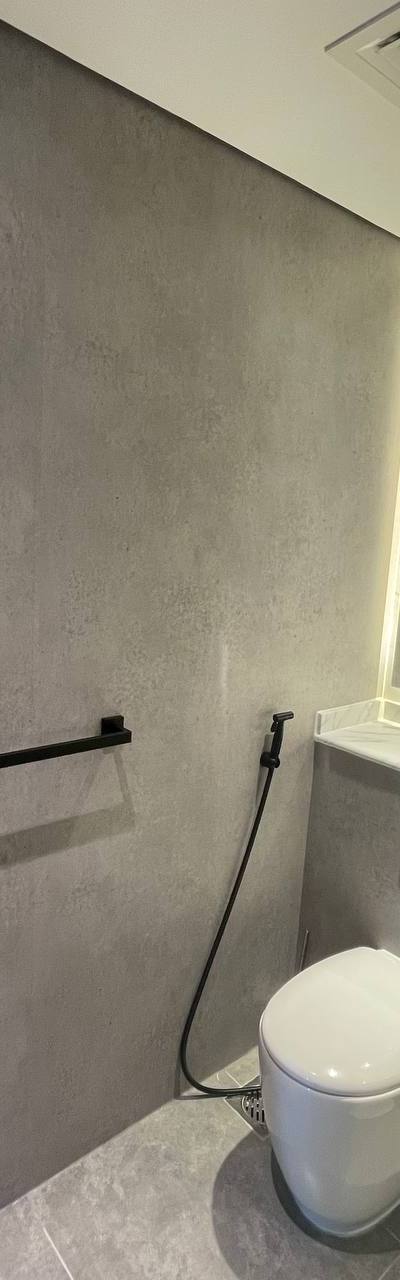
 A contemporary bathroom refresh still needs DEWA clearance for new water points and drainage.
Villa renovation NOC Dubai for community villas
If your villa sits in a community managed by a developer or owners association, you will usually need a villa renovation NOC Dubai before the authority permits. The NOC confirms that the community permits the work, the contractor follows community rules and the scope does not conflict with shared services.
NOC fees vary widely. Some communities charge a flat 1,000 AED to 3,000 AED for a minor renovation, while others charge 5,000 AED or more for structural work plus a refundable deposit. Ask the community management for the exact fee structure before you sign a contractor. A valid NOC should list the working hours, waste removal rules and any material delivery restrictions.
Villa renovation permit cost Dubai and typical timelines
The villa renovation permit cost Dubai depends on the scope, the community and the consultant you use. For budgeting, separate the approval fees from the building work. A full villa renovation often starts around 100,000 AED for the construction and finishes, while the permit layer is a smaller but unavoidable cost.
A typical approval budget for a private villa:
- Dubai Municipality interior fit-out approval: 1,500 to 4,000 AED, 5 to 10 working days
- DEWA inspection and connection update: 500 to 1,500 AED, 3 to 7 working days
- Community or developer NOC: 1,000 to 5,000 AED, 2 to 10 working days
- Structural or extension permit: 3,000 to 8,000 AED, 14 to 30 working days
 Permitted plumbing and waterproofing work in a villa bathroom like this should be included in your approval scope.
These fees can overlap. A villa that moves a kitchen and adds a bathroom could need the Dubai Municipality approval, the DEWA sign-off and the NOC, so plan for a total approval cost of around 5,000 to 12,000 AED before any building work starts. If you already have a quote, send us your existing villa quote for a line-by-line review and we will show you exactly where the permit fees sit.
Common mistakes and how a quote review catches permit overpricing
The most expensive mistake is starting work without approval. Dubai Municipality can issue a stop work order, and the fines plus reopening fees often cost more than the original permit. Unlicensed contractors cause the same problem because they quote only the visible work and leave the permit fees out.
The second mistake is paying for permit line items that are not real. Some quotes inflate the DEWA approval to 10,000 AED or bundle a vague municipality fee into every room. A line-by-line quote review catches this.
We read the quote the way an inspector reads the drawings. If the quote lists a 12,000 AED approval fee for a straightforward bathroom refresh, we flag it and recalculate the same villa work from 100,000 AED with a clear breakdown. You can see our completed villa renovations to check the standard of permit-compliant finish we deliver, then read our other villa renovation guides for more detail.
Frequently asked questions
Do I need a permit to renovate my villa in Dubai?
Most villa renovations need approval if they change structure, plumbing, electrical systems or water proofing. Cosmetic work such as repainting with the same finishes usually does not need a full permit. Check with Dubai Municipality or your community management before starting.
How much does a villa renovation permit cost in Dubai?
For a private villa, approval fees commonly range from 2,000 AED to 8,000 AED depending on scope. A simple DEWA update may cost 500 to 1,500 AED, while structural work and community NOC can push the total permit cost to 5,000 to 12,000 AED. The building work is separate and often starts around 100,000 AED for a full villa renovation.
How long does Dubai Municipality villa renovation approval take?
An interior fit-out approval usually takes 5 to 10 working days once the drawings are complete. Structural or extension permits can take 14 to 30 working days. Delays usually come from missing drawings, unpaid fees or waiting for the community NOC.
Do I need a NOC from my community for villa renovation?
Yes, if your villa is in a managed community or owners association, you almost always need a villa renovation NOC Dubai. The NOC confirms that the community accepts the scope and working hours. Fees typically range from 1,000 to 5,000 AED plus a possible refundable deposit.
Can I start villa renovation without DEWA approval?
No, if the work moves water points, drains, electrical panels or water heaters, DEWA approval is required first. DEWA can refuse the final connection or ask you to open up finished walls for inspection. The approval usually costs 500 to 1,500 AED and takes 3 to 7 working days.
What happens if I renovate a villa without a permit in Dubai?
Dubai Municipality can issue a stop work order, impose fines and require you to restore or redo the work. Your community may also withhold the final NOC or service clearance. The reopening process after a stop work order often costs more than the original permit.